 Plastics & food waste · handled on site
A total waste solution for Indonesian hotels — engineered to pay for itself.
A complete system, installed at your property. It processes both your plastics and your food waste on site — and turns that waste into income.
Model your own room count and waste volumes in the calculator below. Financing is available, so the system can be funded as it earns.
Run two ~9.5-hour cycles per day (1 tonne capacity per cycle) on sorted, dry feed at a 45% yield and INPAC buys the oil at USD 0.20/L. Use the calculator below to model your own site.
Running in Bali today.
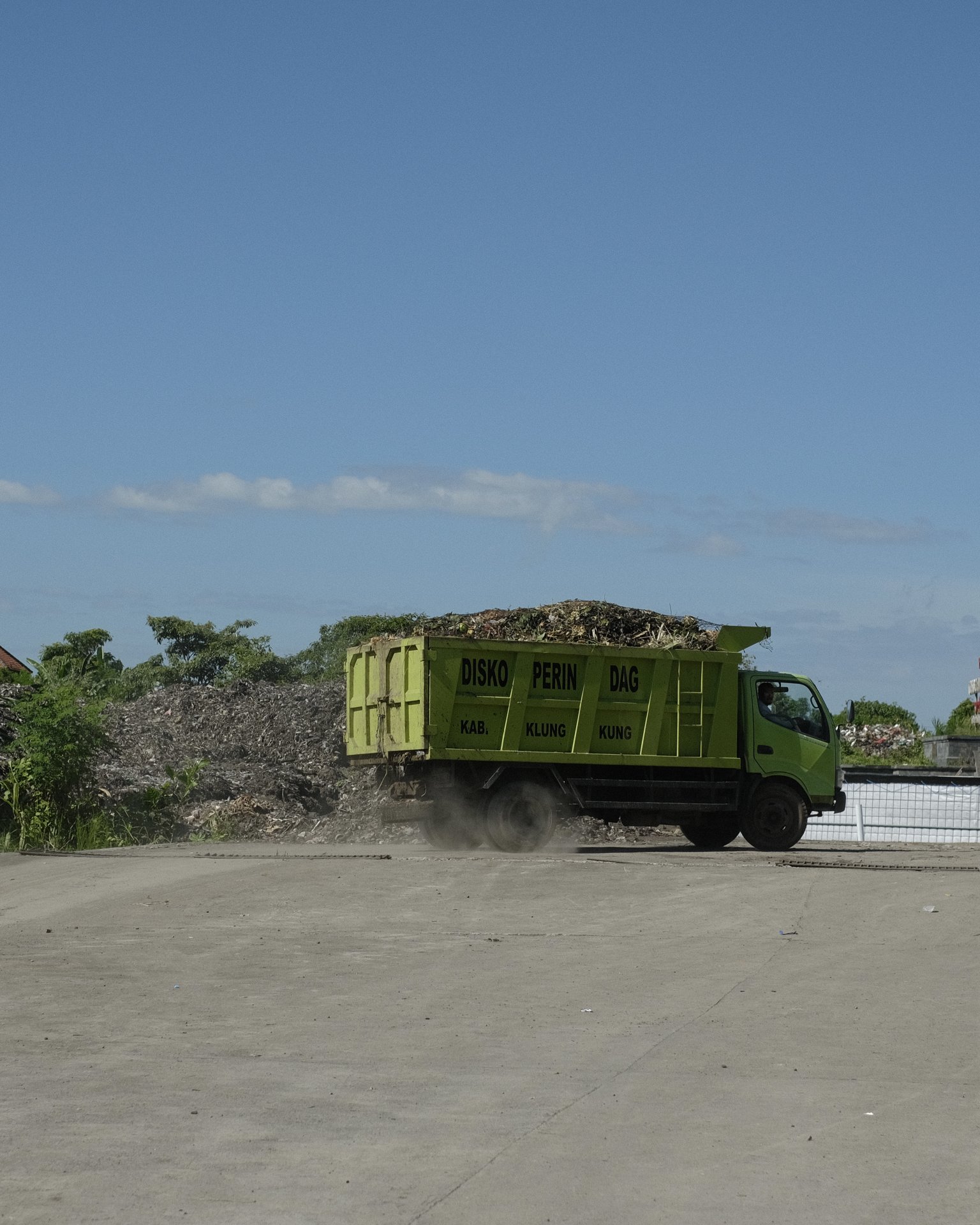
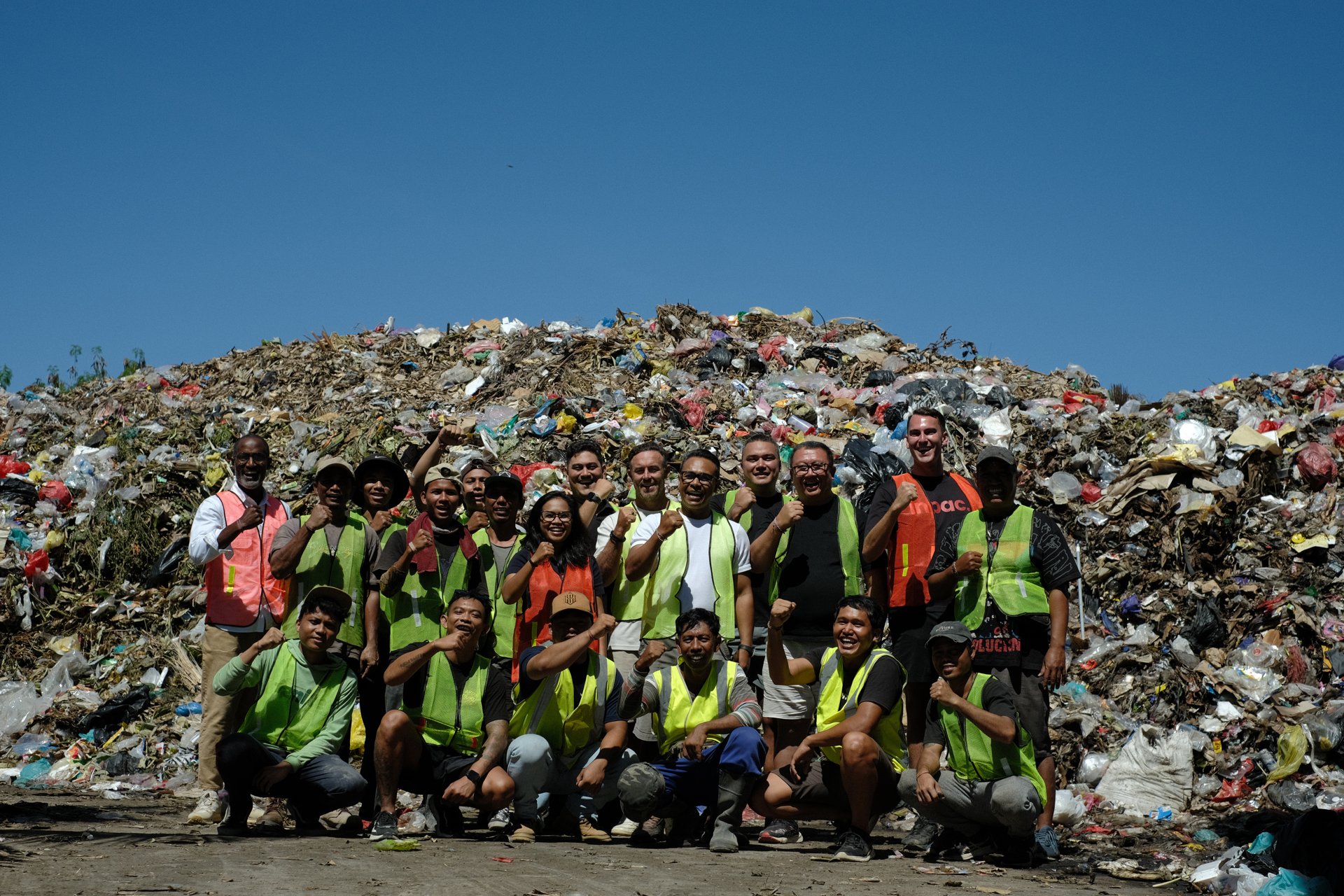
Not a rendering. A system is installed and operating at the TOSS Centre in Klungkung, Bali — heating up, producing fuel, every day. Most hotels visit before they commit. Bring a sample of your own waste and we will run it through in front of you.
Book a site visit in Bali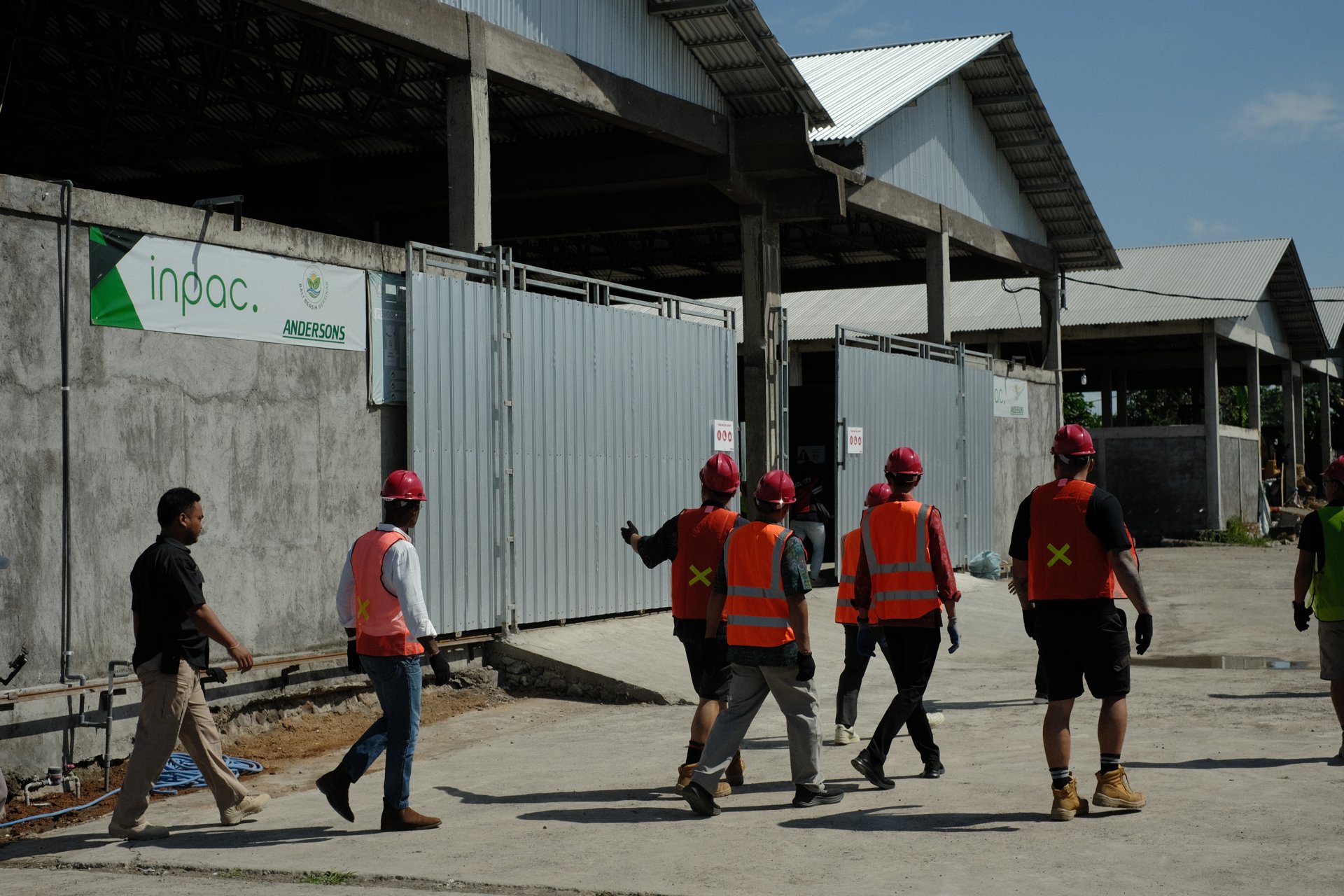
One system. Installed.
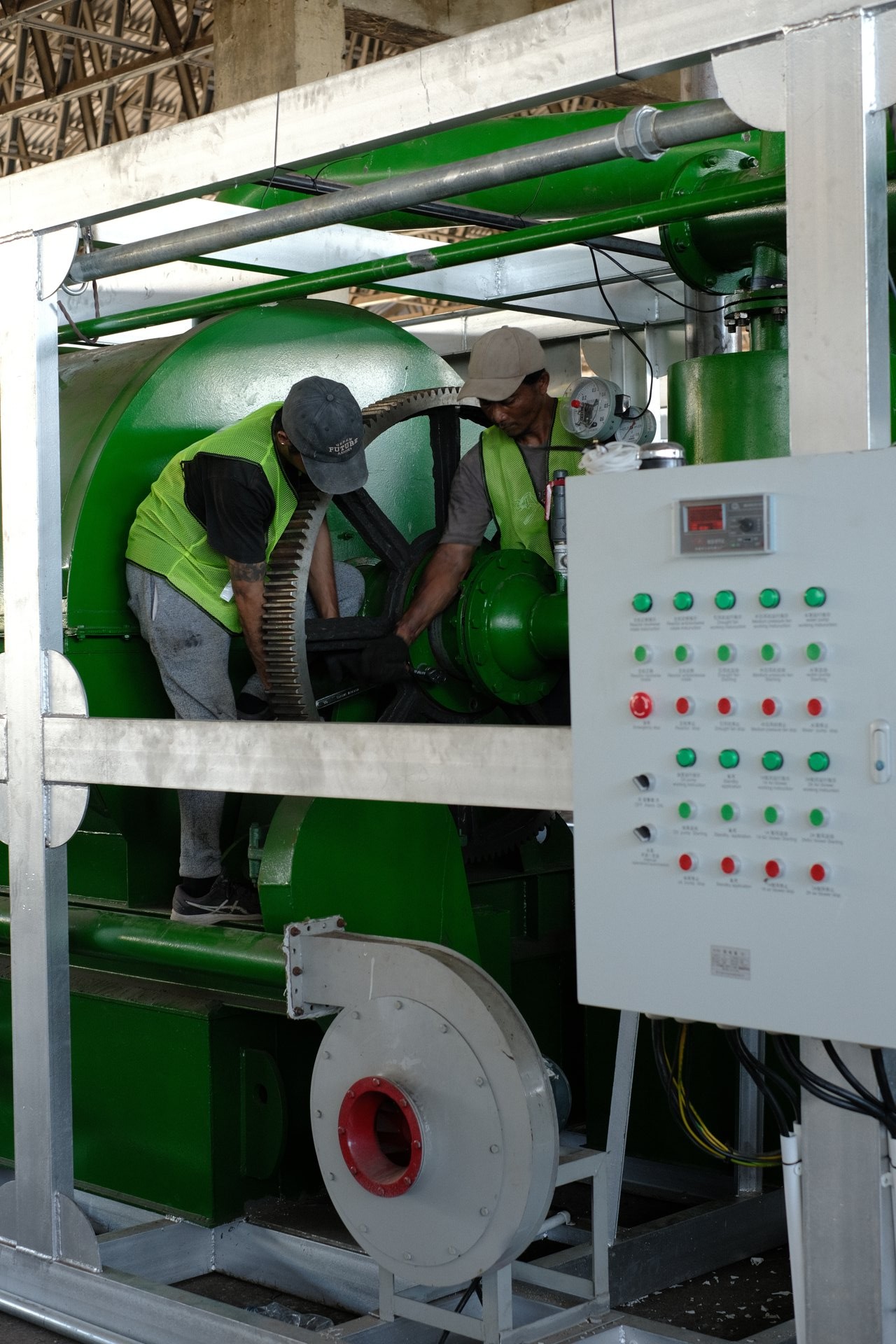
The system arrives as a complete working line. We install it and train your team. The press and dryer are included, because dry, densely packed plastic is the difference between an average yield and an excellent one.
A self-contained unit, pre-assembled and wired within its frame. Delivered, positioned, connected to water and power, and operational. Enclosed, low noise, no open burning.
Compresses collected plastic into dense, uniform bales. Simpler for housekeeping to store and move, and substantially more material per run.
Spins residual water out of rinsed bottles and wrappers before loading. Moisture is the single largest constraint on yield.
How it works.
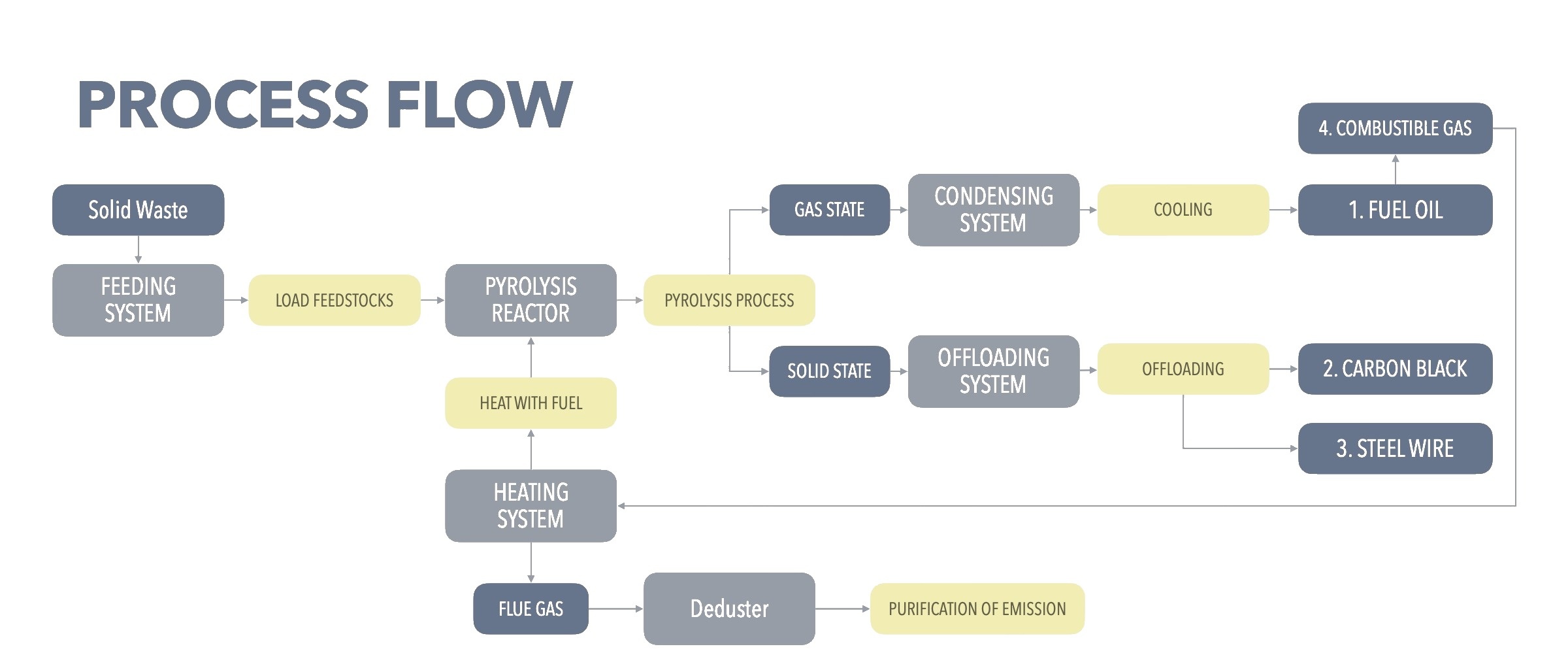
Staff separate waste into two streams. The system processes both — plastics and food waste — on site, and turns that waste into income. The plastic line, step by step — one batch runs approximately nine and a half hours.
- 01Separate
Plastics in one bin, food waste in another.
- 02Press
Plastics are pressed into tight, tidy blocks.
- 03Dry
Spin out the water. Dry plastic makes far more fuel.
- 04Load
One tonne goes in and the door is sealed. 30 min.
- 05Heat
Heated with no oxygen, so nothing burns. 5 hours.
- 06Cool
Vapour cools back into liquid fuel.
- 07Empty
Cool 3 h, then clear the leftover carbon. 50 min.
- 08We collect
We take the fuel and pay USD 0.20 a litre.
Nothing is incinerated. There is no open flame and no stack of the kind guests notice. Plastic is heated in a sealed, oxygen-free chamber, converts to vapour, and condenses back into liquid fuel. The gas released is returned to the burner, so the system largely powers itself. What remains is a fine carbon powder, saleable locally.
Away from guests.
The equipment footprint is compact — approximately 560–600 m². The remaining area shown below is storage and truck access. Most resorts site it back of house or on adjacent land; groups often run one system across several properties. Quiet, enclosed, no open burning, no odour.
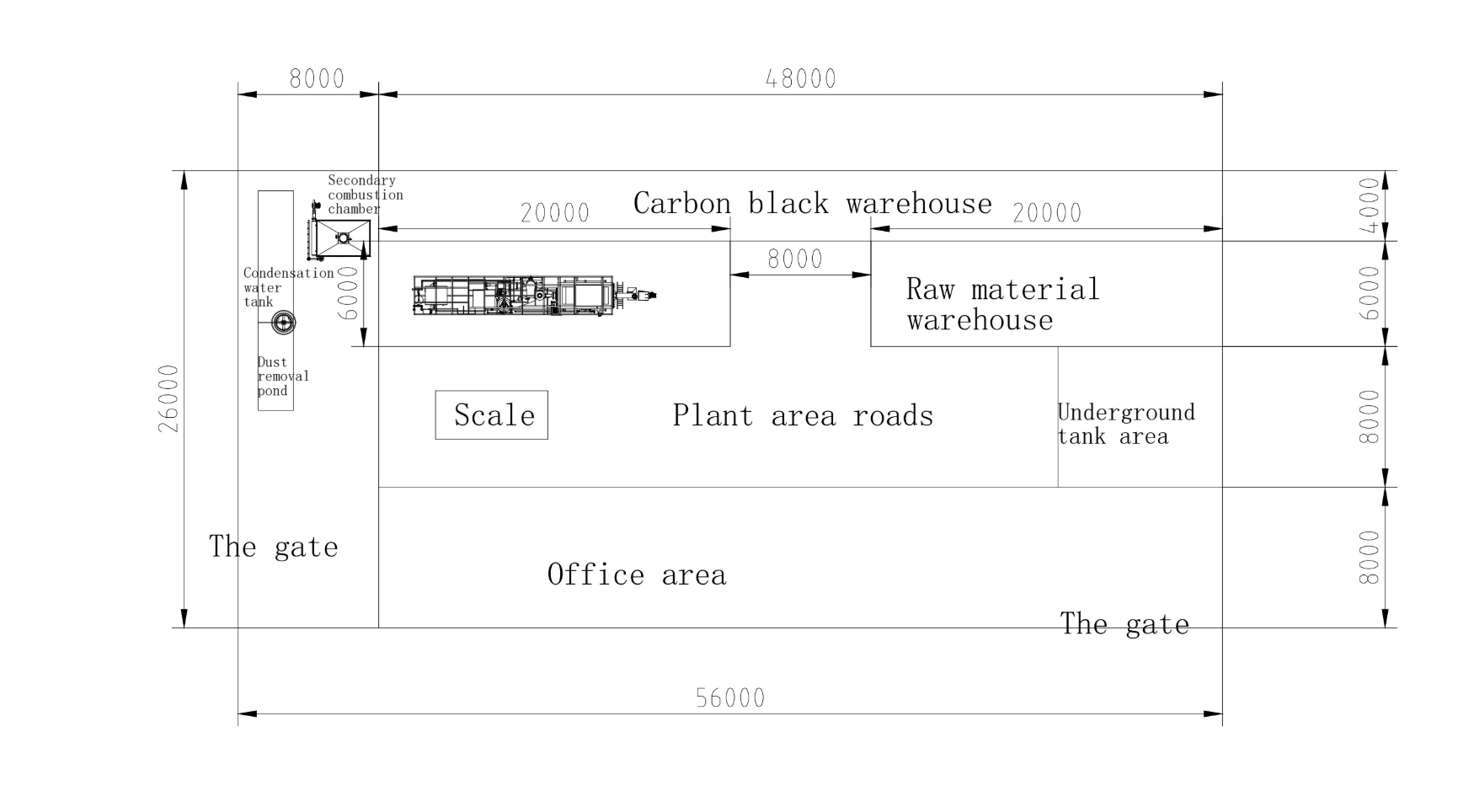
- Machinery + dust removal pond
- Roughly 560–600 m² of the 1,460 m² plot. The rest is turning circle and storage.
- Plot
- 56 × 26 m (≈1,460 m²) of level, compacted ground for one line.
- Power
- 380 V three-phase, 11.1 kW installed load.
- Water
- Make-up water for the condensing loop and the dust removal pond.
- Covered storage
- Dry store for sorted feedstock in, carbon black out — moisture is the yield killer.
- Access
- Truck access to both gates; a 40HC container must reach the pad on delivery.
- Oil storage
- Underground tank area sized for a collection cycle — we collect from site.
What you provide, what we provide
| From you | From INPAC |
|---|---|
| A rough plan of where it can go on your land | First emissions test (free) |
| A covered area with a high roof — at least 6 m — open at the side | One month of training for your staff |
| Enough power — an existing supply, a PLN connection, or a generator | Fuel to run the first three batches |
| One or two staff per shift to run it | Installation, commissioning and ongoing support |
| Fuel storage tanks (bought locally — we can recommend suppliers) | Collection of the fuel, and payment for it |
One partner. Start to finish.
Most hotels manage a waste contractor, a composting supplier, a recycler and a sustainability consultant. We consolidate all of it into one agreement and one point of contact.
The whole system arrives in one container — nothing for you to source or specify.
We commission on site, run the first batches, and train your team for a month until they operate it independently.
We work with established financing partners, so the system need not sit in this year's capex. Terms discussed on enquiry.
We collect the fuel from your property and pay USD 0.20 per litre. Both streams are processed on site.
Raise financing at first contact and we will bring the appropriate partner to the table alongside the proposal.
Talk to us about financingWho is behind this
INPAC is an Asia Pacific infrastructure operator specialising in renewable energy, water treatment, waste recycling and desalination. Anderson Group, its parent, has delivered projects with the Asian Development Bank, the Green Climate Fund and the New Zealand Aid Programme.


Cook Islands born, with a 30-year family legacy in island infrastructure. Leads international project development and partnerships, and insists every system is designed around the local waste stream, not copied in from abroad.
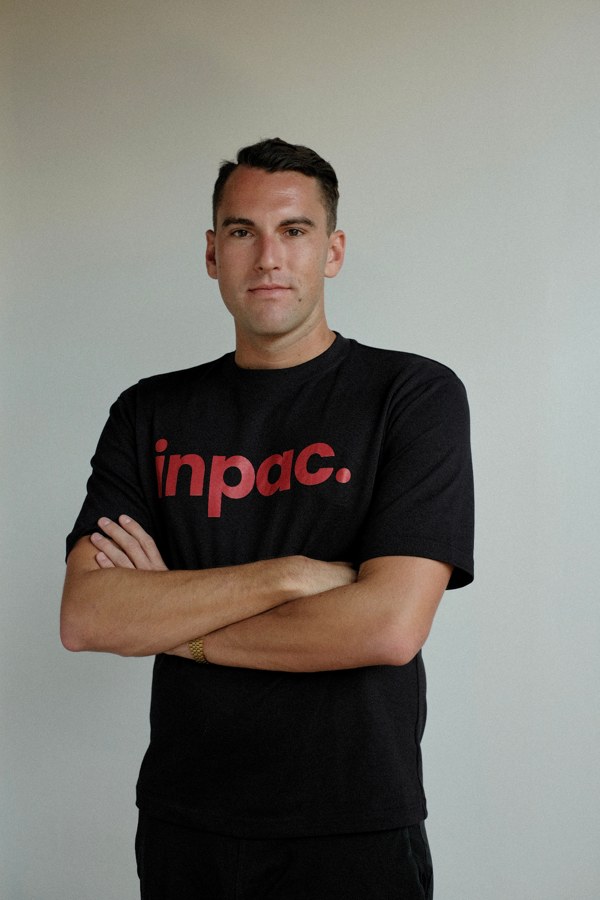
Runs delivery from groundbreaking to commissioning — procurement and logistics, equipment commissioning, health and safety, and operator training on every site.
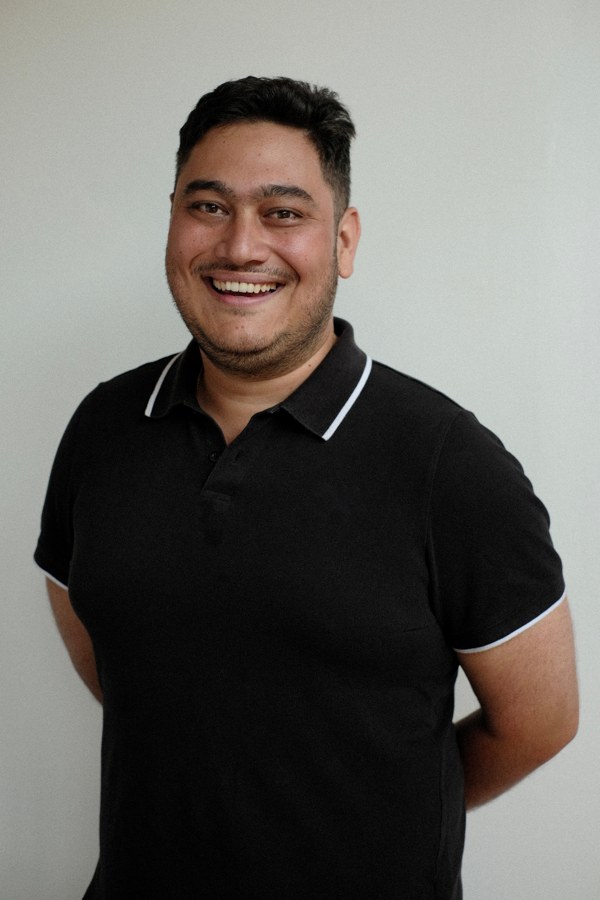
Balinese-Australian and a Mangku since 19. Handles government and community relations — permits, traditional villages and regulators — and oversees the Klungkung site day to day.
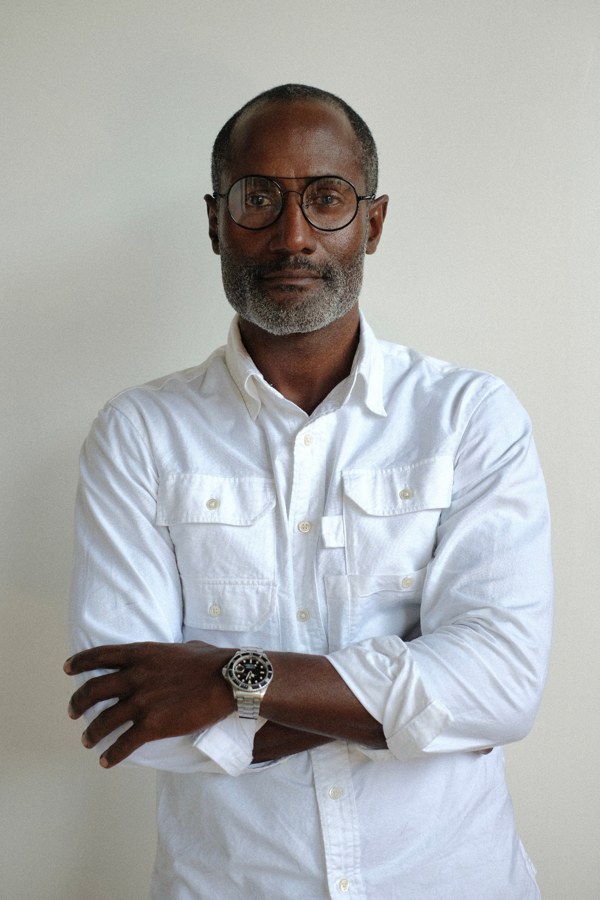
Two decades aligning government, industry, academia and communities. Shapes INPAC's long-term direction, partnerships and positioning across waste-to-resource, energy and water.
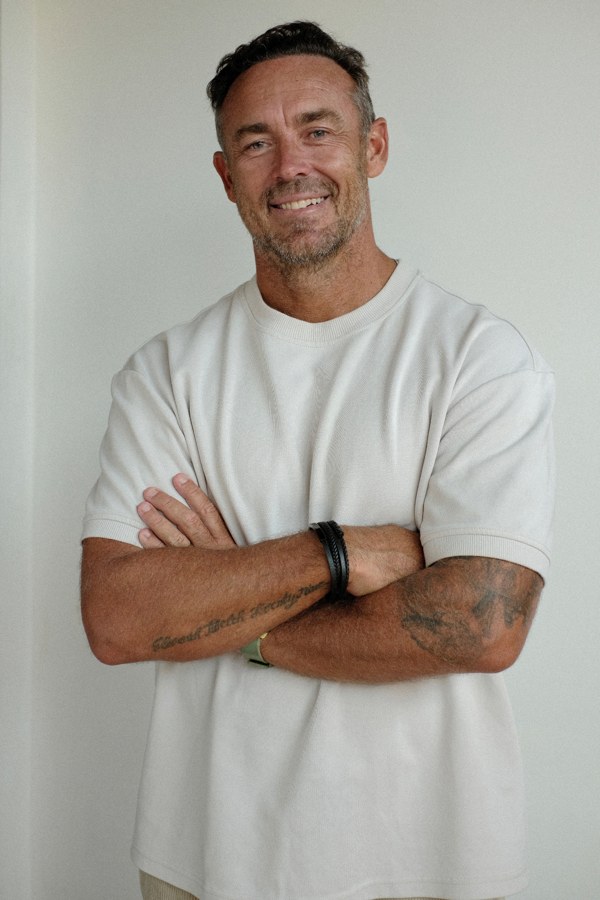
Works closely with site owners and operators across the region to scope, finance and deploy waste-to-resource projects.
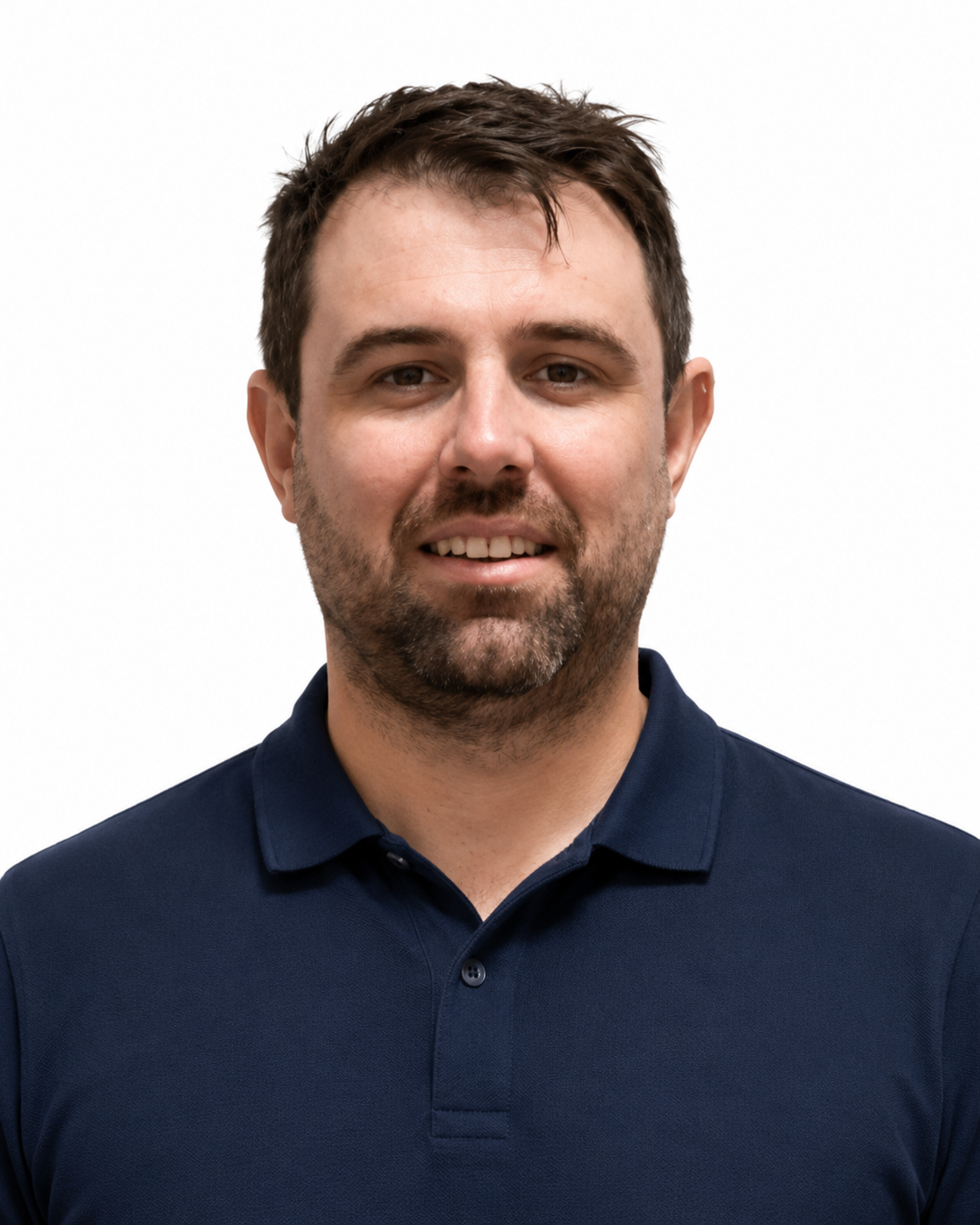
Leads outreach to governments, enterprise clients and institutional investors, and manages the commercial pipeline from first conversation through contract and handover to delivery.
Live in 3 months.
What happens, week by week. Faster where your waste has already been tested and the site is prepared.
Proposal & agreement
We price the system for your property, introduce a financing partner if you want one, and set out the fuel buy-back in writing. Once signed, we book production and shipping.
Build & shipping
Everything is built and shipped in one container. Meanwhile you prepare the space: a level slab, power, water and truck access.
Getting the space ready
We help set up the waste-handling area: where the bins arrive, where the plastics are stored dry, where each stream is processed. This is also when your housekeeping and kitchen teams start separating waste.
Installation & training
Our team positions the equipment, connects it and runs the first batches with your staff. Training runs for a month so your people can operate it without us.
Running, and getting paid
Your waste stops leaving the property. We collect the fuel and pay for it at the agreed rate, and you have the numbers you need for your sustainability reporting.
This assumes a normal Indonesian import and site-prep cycle. If the space is already prepared, we can commission in the first week after the container lands.
The numbers.
Parameters
| Item | Specification |
|---|---|
| Product model | F1000 · 1 Tonne Machine |
| Technology | Pyrolysis |
| Production mode | Batch type |
| Loading capacity | 1 tonne (1,000 kg) per cycle |
| Cycles per day | 2 × ~9.5-hour cycles |
| Overall dimension | L 11.75 × W 2.2 × H 2.55 m |
| Shipping | Fits one 40HC container |
| Total weight | 15 t |
| Reactor internal | Ø 1.2 m × 3 m |
| Loading volume | 3.39 m³ |
| Power voltage | 380 V |
| Total power | 11.1 kW |
Batch cycle — ~9.5 hours
| Step | Time |
|---|---|
| Load the plastic, seal the door | 30 minutes |
| Heat & crack — oil production runs | 5 hours |
| Condense & cool down | 3 hours |
| Offload carbon black | 50 minutes |
| Total per batch | ~9 h 20 min |
Capacity is 1 tonne per cycle. Each cycle runs approximately 9.5 hours, permitting two cycles per day where feedstock and staffing allow.
All parts are pre-assembled within the frame structure. On arrival, position the unit and connect water and electricity — then it can start working. The same technology and design as large-scale plants, in a size a single operator can run.
What is in the frame — equipment list
| System | Equipment |
|---|---|
| Pyrolysis reactor | Reactor Ø1200 × 3000 mm, gear, reducer, 2.2 kW drive motor |
| Condensing system | Condenser pipe, square box condenser, oil-gas purification device, oil-water separator, 2 × oil tanks, oil pump, syngas collector |
| Heating system | 2 × oil burner, 1 × gas burner, 3 kW blower |
| Emission control | Stainless steel de-duster with ceramic filters, 1.5 kW water pump, draught fan, stainless chimney Ø273 × 6000 mm |
| Offloading | Carbon black offloader built inside the reactor |
| Instruments & safety | 2 × pressure gauges, 7 × thermometers, thermocouple, alarm |
| Frame | All-in-one frame L11.75 × W2.2 × H2.55 m — pre-assembled |
| Supplied with the package | Baler and spin dryer for feedstock preparation |
Waste becomes income.
Most hotels pay to have waste removed. Here the plastics become fuel and we purchase every litre at USD 0.20, collected from your property. Your team operates the system; we handle the product and the payment. No buyer to find, no market to manage.
- Separate at source. Plastics in one stream, food waste in the other — this single discipline determines how the whole system performs.
- Dry the plastics. The spin dryer is supplied for precisely this reason — moisture suppresses yield.
- Both streams are processed on site — nothing leaves the property as waste, and the system turns it all into income.
- Carbon black is left over from the plastics and can be sold locally, or we can arrange collection.
- Collection volumes and schedule are fixed in writing at the point of purchase.
One proposal. Installed and supported.
One figure covers it: the complete system at USD 350,000, installation, staff training, a financing option, and a contracted buy-back of the fuel at USD 0.20 per litre. Three answers begin the process.
Room count, waste per day, and where the property is.
Send a sample of your plastics and food waste. We test it and size the system to the real figures.
See the system running in Bali and watch your own sample go through it.
System, installation, training, financing and fuel buy-back together.
- How many rooms, and your average occupancy
- Roughly how much plastic and food waste you produce each day
- Where the property is
- A 380 V power supply and a water connection
- A back-of-house or nearby yard, level and covered
- Bins to separate plastics and food waste at source
- One or two staff per shift — we train them
We test your actual waste before committing to any figure. A beach resort with heavy F&B produces a very different mix to a city hotel. Testing is the only basis for a reliable number.
 Initiative · Waste Education
are the challenge. And the solution.
Waste Education. Every system INPAC installs joins a wider programme of research, education and collaboration — waste infrastructure, environmental science, technology, local knowledge, art and education working together, because waste is never only an engineering problem. At its centre is the Living Learning Lab: an operating waste site as a place for research and teaching, with universities, artists and schools alongside the people who run it.
Use it in sustainability reporting, sales decks and guest communication — not an isolated purchase.
Waste processed, fuel produced and landfill trips avoided — measured and documented. The numbers certifiers and corporate clients ask for.
Signage, briefings and short tours turn the back-of-house system into a visible part of the guest experience.
Host research visits and student groups with INPAC — local goodwill, and content worth publishing.
Waste handled where it is produced, jobs kept local, and a reason for the surrounding village to be on your side.
A sustainability narrative that differentiates the property and earns press — something guests photograph and remember.
Optional · Model your own numbersWork out the numbers for your hotel
Work out the numbers for your hotel
If your plastic is separated and reasonably dry — pressed and spun in the equipment we include — about 40–50% of it comes back as fuel. The figures below assume 1 tonne per cycle, two cycles a day, 45% fuel, and we pay USD 0.20 a litre. Change anything to match your property.
Assumptions
| Output | Quantity | Price | Revenue |
|---|---|---|---|
| Crude oil (INPAC offtake) | litres | USD / litre | USD 0 |
| Carbon Black | tonnes | USD / tonne | USD 0 |
| Gross revenue / day | USD 0 | ||
Indicative only. This is gross income before staff, power, consumables, maintenance, shipping and tax. How much fuel you get depends on what your plastic is and how wet it is: the 40–50% range assumes separated plastic, pressed and dried with the equipment we include.